The place-name itself is older than the railway — first recorded as Heyworth in 1261, from the Old English for a hedged enclosure by the heath — but the town most people recognise today is a product of the 1840s. Once the railway arrived, the heath had a reason to grow, and grow it did: rows of Victorian terraces and villas went up to house the new arrivals, most of them built with a small original loft, a coal store maybe, and nowhere at all for a car. Nearly two centuries on, that’s still the housing stock filling much of RH16 and RH17, and it’s still short on the kind of space a modern household actually needs.
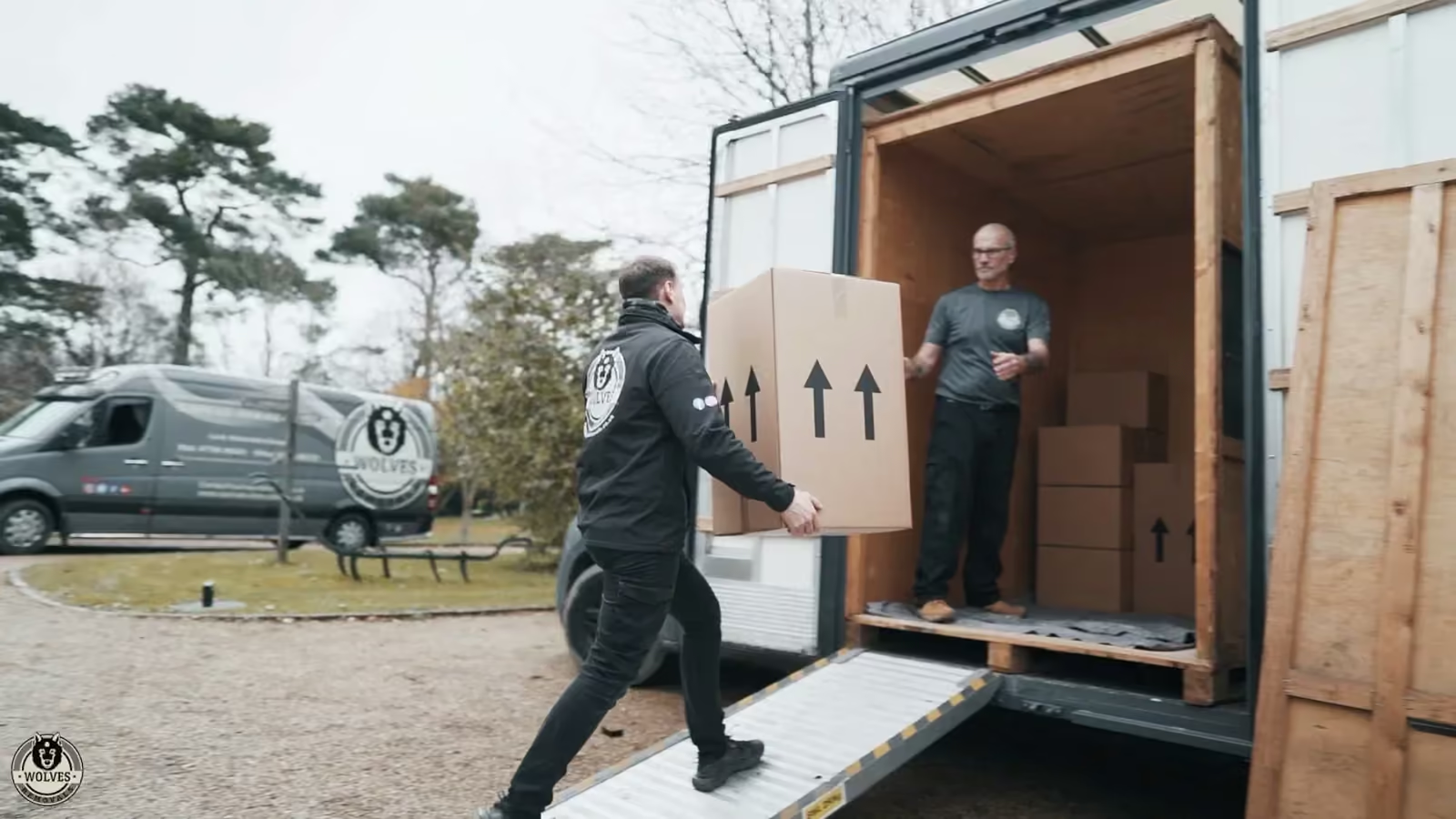
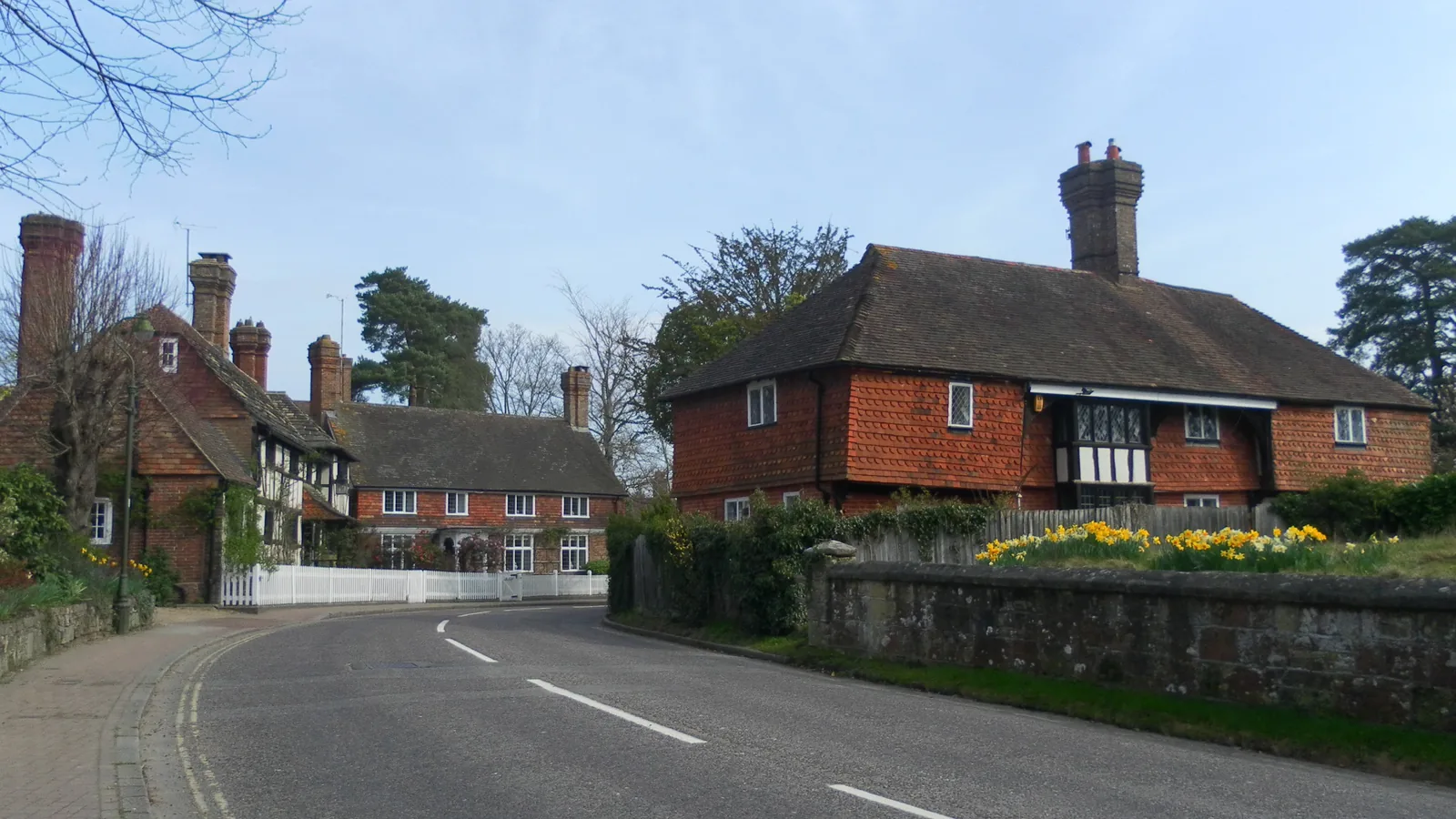
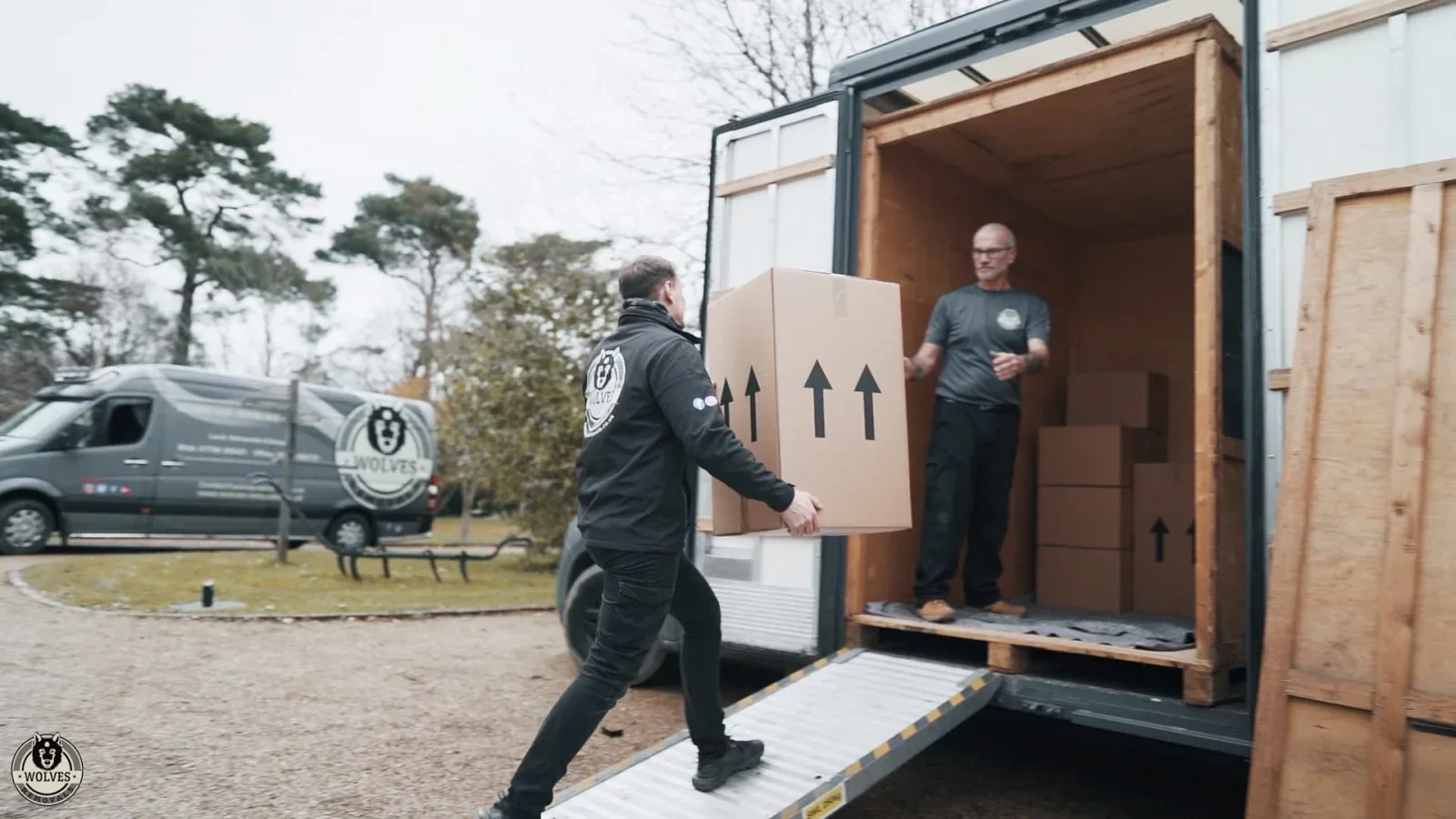
A mile to the north-east, Lindfield never had a station of its own and didn’t need the growth spurt — its High Street already had more than forty timber-framed houses standing along it, shaded by lime trees, when Haywards Heath was still just a heath. A spring-fed pond sits at the foot of the street with ducks and herons working its edges, the Common has hosted cricket since 1747, and All Saints Church has stood since 1098. It’s the kind of village where a family home often holds furniture passed down rather than bought new, and where a heirloom sideboard needs a container built around it properly, not squeezed into a van alongside everything else.
Not every part of the area is old. Bolnore Village didn’t exist until its first house was finished in October 2002, and the 780 homes that followed are still going through the kitchen extensions and loft conversions any new estate goes through in its first couple of decades. Franklands Village, south of the centre, is a different vintage again — built in the 1930s out of an earlier low-income housing scheme — while Muster Green, nearer the centre, takes its name from a Civil War battle fought there in 1642 and today sits close to Victoria Park and Beech Hurst Gardens, with Borde Hill Garden a short drive further out. A hedge-enclosure heath, a Victorian terrace, a 1930s street or a Bolnore Village close — whichever one the address turns out to be, the crew arrives, builds the container on the spot and packs it with the same care every time.