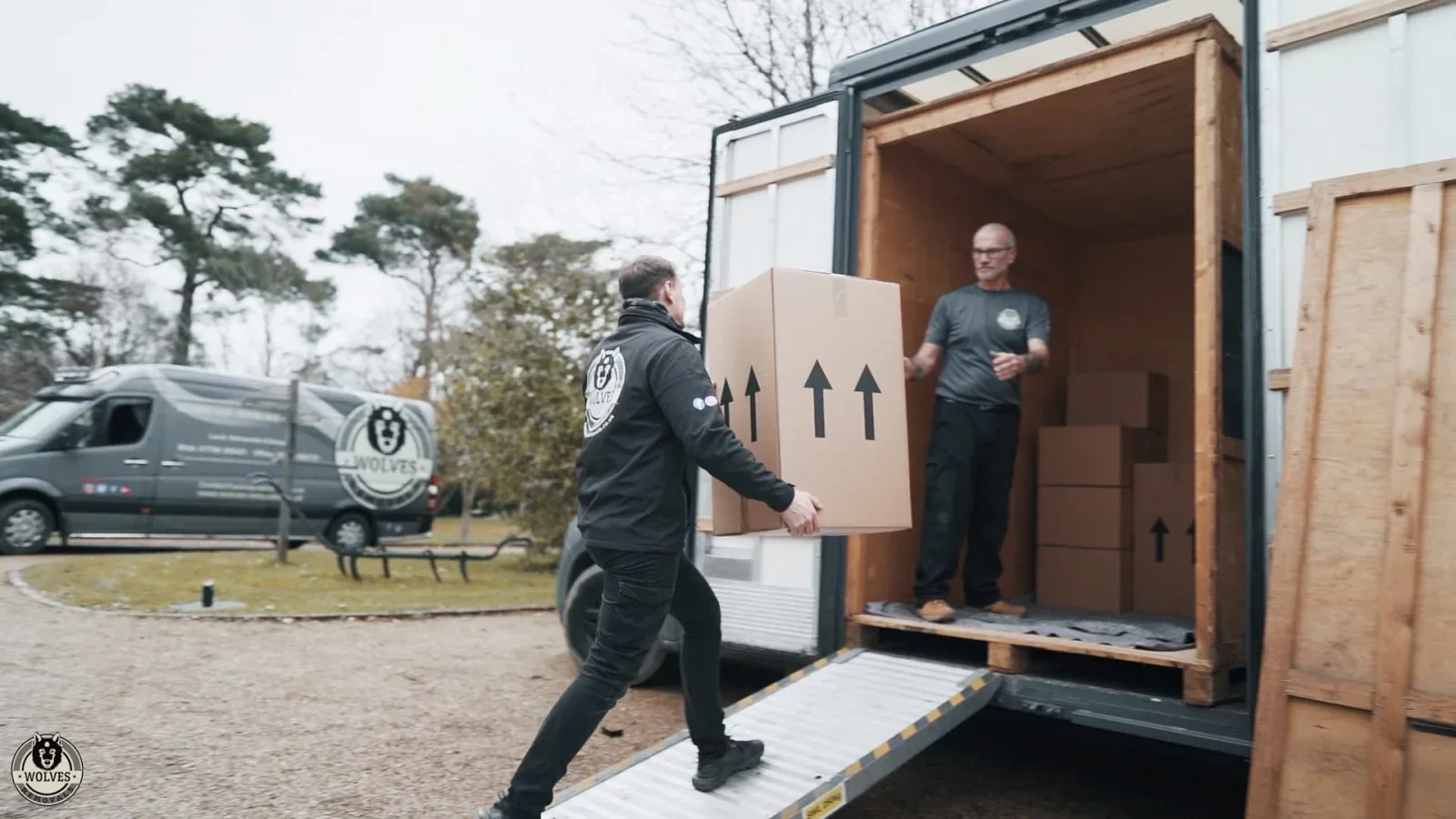
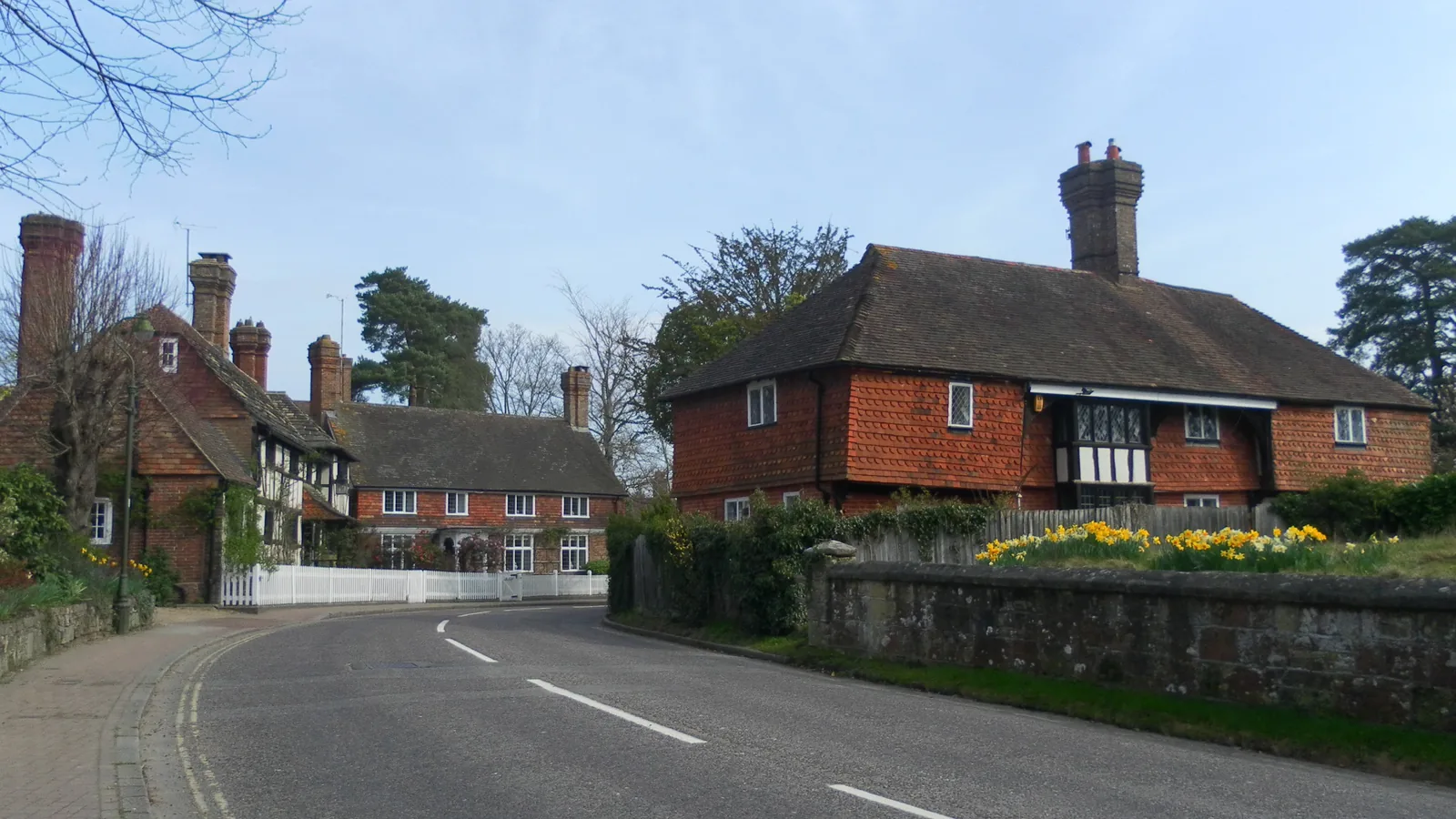
The Martlets and Market Place still anchor Burgess Hill’s shopping day, a short walk from St John’s Park — the largest green space right in the town centre, and usually where the van parks up when the address itself has no driveway to spare. Home to 30,635 people at the 2011 census, Burgess Hill is one of the larger towns in West Sussex. Streets running off the centre are a mix of the interwar and post-war semis that came with the town’s 1950s and ’60s expansion, terraced rows built close enough together that packing tends to happen on the pavement rather than in a driveway.
South-west of the centre, Victoria Business Park is home to genuine international employers — Hoffmann-La Roche’s UK diagnostics arm among them — and it’s where most of our business-storage calls originate, stock and archive boxes collected from a unit or office rather than a house. A few miles south, Keymer still carries the name of the old Keymer Brick and Tile Company, whose handmade tiles roof buildings as far off as St James’s Church, Piccadilly, and Manchester Central Station — a reminder that this corner of Mid Sussex was making things long before the estates arrived.
The Green Circle Walks, the town council’s own ring of paths and green spaces around and within Burgess Hill, thread past newer estates and older streets alike, while World’s End in the north-east — served by Wivelsfield station since 1886 — sits close enough to the county boundary that some RH15 addresses lie only a few hundred yards from East Sussex. Wherever the postcode lands, a private container is built and closed up at the door before it heads back west to Ashington.